• Cornelia Parker is a British conceptual artist known for her transformative processes of destruction and reconstruction. Collaborating with scientists and technicians, she employs acts such as explosion, crushing, and suspension to expose the tension between fragility and resilience. Her works poetically examine how matter, time, and memory intertwine through processes of disintegration and renewal.
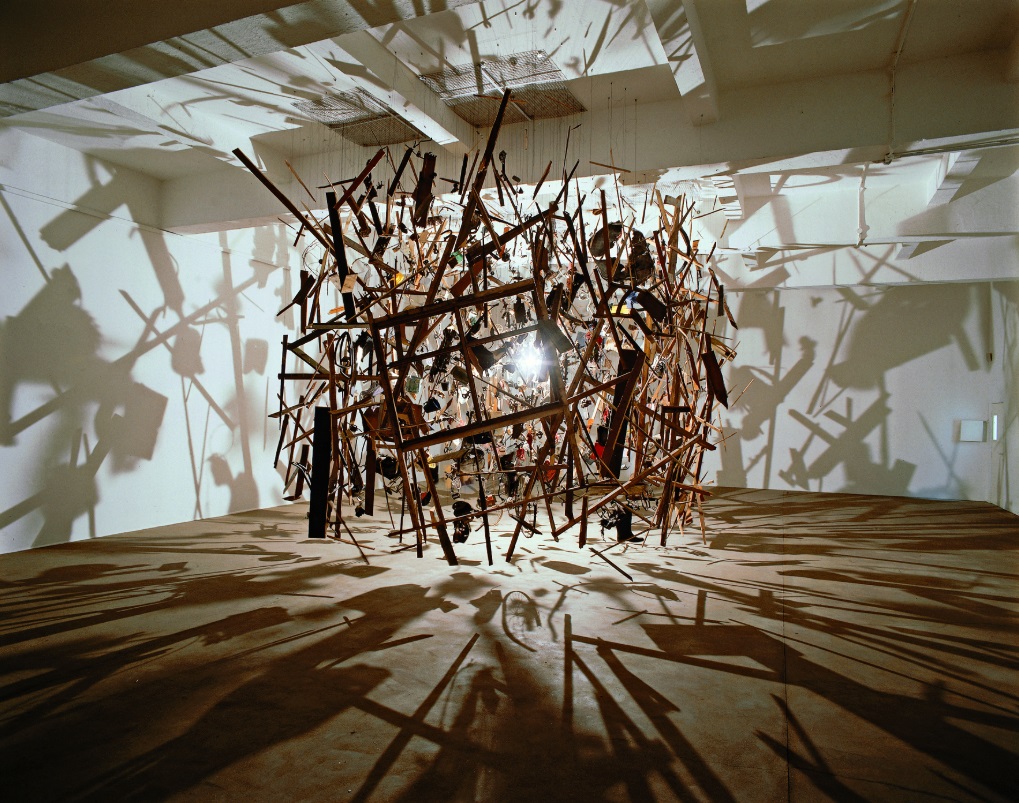
    Cornelia Parker, Cold Dark Matter: An Exploded View, (1991). Installation view, Chisenhale Gallery, 1991. Commissioned and produced by Chisenhale Gallery, London. Tate Collection, London. Photo Copyright Hugo Glendinning. Courtesy the artist and Frith Street Gallery, London.

    Cold Dark Matter: An Exploded View (1991) was created in collaboration with the British Army. Parker detonated a garden shed and then suspended its fragments mid-air, illuminated by a single light bulb. The resulting installation freezes an instant of destruction, transforming chaos into a suspended constellation where violence and beauty coexist.

    Cornelia Parker’s practice centers on the regeneration of matter. By detonating and reconstructing, she reorders time and space, transforming destruction into a poetic suspension. This process aligns with Rosalind Krauss’s notion of sculpture in the “expanded field,” where form emerges from action and process rather than static mass. It also echoes Gaston Bachelard’s idea of the “poetic space,” in which fragments and shadows become vessels of memory.

    For my own work, Parker inspires me to reconsider destruction as a creative strategy. She demonstrates that material integrity is not necessary for meaning—rupture, suspension, and reassembly can carry powerful emotional and psychological weight. Her meticulous reconstruction of chaos reflects an artist’s negotiation between control and contingency, prompting me to explore how small-scale sculptures might embody similar tensions. Through her methodology, I learn to treat traces of time and fragility as expressive tools—allowing the material itself to speak of memory, loss, and renewal.

    #Materiality #Installation Art #Expanded Field #Temporal Space #Destruction And Reconstruction #Poetic Space #Memory And Time #Material Framework #Psychological Space

    Image credit & website:

    https://chisenhale.org.uk/project/cornelia-parker/#cornelia-parker-cold-dark-matter-an-exploded-view-gallery-close

    Written on: 19 October 2025
  • Doris Salcedo is a Colombian contemporary artist known for her deeply poetic explorations of violence, disappearance, trauma, and memory. Her work reconfigures everyday materials—such as furniture, clothing, and shoes—into quiet yet powerful memorials. Rather than narrating trauma directly, Salcedo transforms material and spatial forms into vessels of remembrance, allowing absence itself to speak with haunting presence.

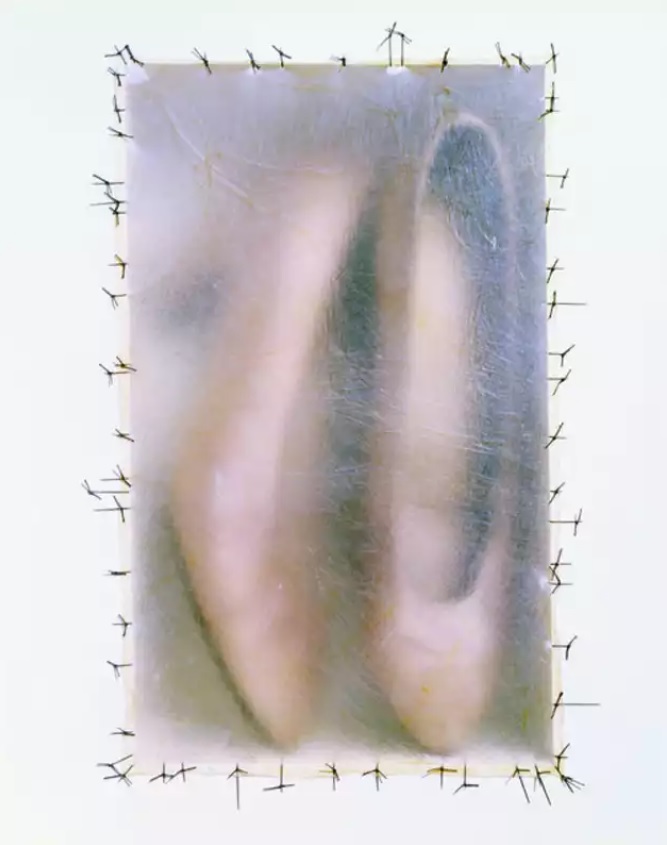
    Doris Salcedo, Atrabiliarios, 1996. Drywall, shoes, cow bladder, and surgical thread. 47 x 83 1/16 inches (119.4 x 211 cm). Institute of Contemporary Art/Boston. Gift of Barbara Lee, The Barbara Lee Collection of Art by Women. Courtesy Alexander and Bonin © Doris Salcedo

    Atrabiliarios is an installation embedded directly into the wall. Salcedo encases the shoes of missing women behind translucent animal-bladder membranes, stitched into rectangular recesses. The hazy visibility of these objects evokes both concealment and remembrance—an intimate memorial to lives erased by violence. Through restrained material gestures, Salcedo transforms trauma and mourning into a tangible, architectural form of collective memory.

    When I first encountered Atrabiliarios, I was struck by Salcedo’s intelligent material choices. The shoe acts as a powerful symbol of absence—an interrupted journey—while the stitched animal-bladder membrane creates a semi-transparent barrier that speaks of concealment and forgotten bodies. Her material language resonates with Susan Stewart’s idea of the miniature as a container of memory (On Longing) and Gaston Bachelard’s notion of the house as a poetic interior space (The Poetics of Space). Salcedo transforms the wall into an architecture of remembrance, where trauma quietly inhabits material.

    For my own practice, her work inspires me to see materials as emotional and historical agents. Sculpture, in this sense, becomes not only a physical construction but also a condensation of time and affect. Her sensitivity to scale, repetition, and tactility encourages me to explore how delicate textures and spatial intimacy can evoke memory within my small-scale works. Through Salcedo, I’ve learned that material is narrative—that every surface, fiber, and void can embody loss, resilience, and the silent endurance of the human spirit.

    #Materiality #TraumaAndMemory #FeministArt #Symbolism #PoeticSpace #PsychologicalSpace #ViolenceAndSilence

    Image credit & website:

    https://www.icaboston.org/art/doris-salcedo/atrabiliarios/

    https://www.artsy.net/artwork/doris-salcedo-atrabiliarios

    Written on: 19 October 2025

  • Luzene Hill (Cherokee Nation, USA, born 1956) is a performance and installation artist addressing sexual violence, the female body, and Indigenous cultural reclamation. Using textiles, symbols, and ritualized gestures, she transforms trauma into acts of visibility, recovery, and collective healing.

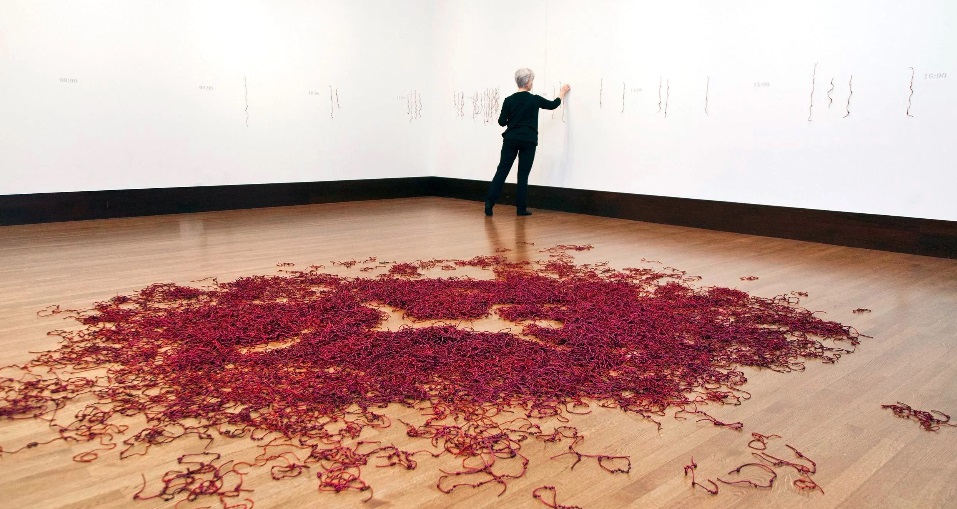
    Retracing the Trace (2011–15)

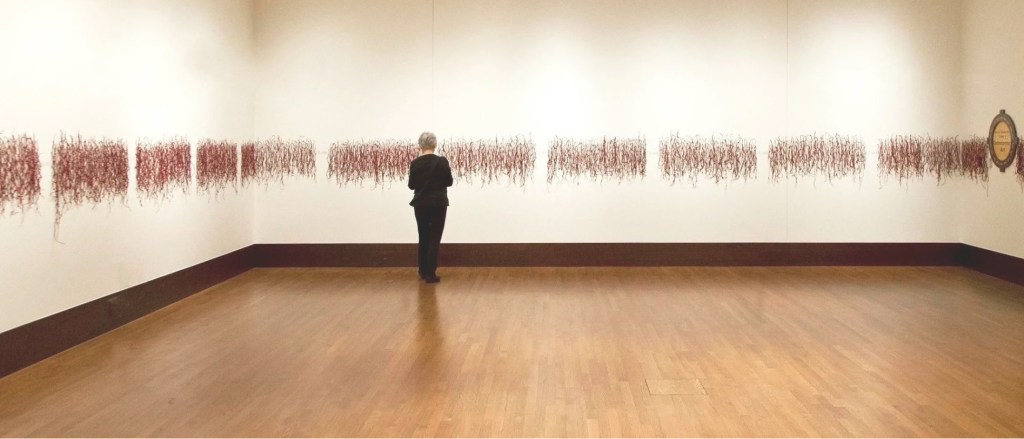
    In Retracing the Trace, Hill lies on the floor as assistants scatter red cords around her body, leaving a voided silhouette. She then methodically gathers and attaches each cord to the wall. This ritual juxtaposes trauma’s dispersion with its repair, symbolizing women’s reclamation of body and memory through time.

    Hill’s work positions the body as both subject and medium, transforming trauma into ritualized action. This approach recalls Amelia Jones’s feminist theory of performance art, where the body functions as an active site of agency rather than passive display. The red cords of Retracing the Trace evoke blood and violence while tracing time and memory, resonating with Julia Kristeva’s concept of abjection—the process of confronting and redefining boundaries of self after trauma.

    Her material framework revolves around fiber and temporality: the red cord is simultaneously fragile and resilient, embodying the elasticity of memory. Through repetition and manual process, Hill’s methodology becomes meditative and reparative. For my own practice, this encourages me to treat material not merely as form but as the residue of gesture—embedding layers of time and emotion into the sculptural surface.

    Hill’s ritual of gathering and reattaching cords reveals art as a form of “temporal stitching,” where each act of repetition heals a rupture in memory. It inspires me to explore how, within my small-scale sculptures, the tactile and repetitive process can weave spaces of introspection and shared restoration.

    #performance art #feminist art #body as medium #trauma and healing #ritual and repetition#personal and collective memory #red thread symbolism

    Image credit & website:

    https://luzenehill.com/retracing-the-trace

    Written on: 19 October 2025

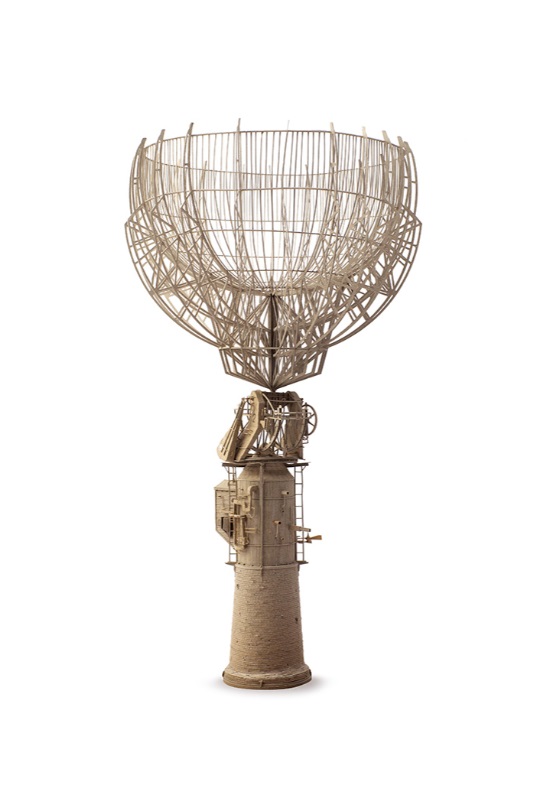
  • Daniel Agdag (born in Melbourne, Australia) is renowned for his intricate cardboard sculptures. Through precise handcrafted architectural and mechanical forms, he examines the intersection of logic, imagination, and human curiosity—transforming fragile materials into poetic machines of thought.

    Daniel Agdag
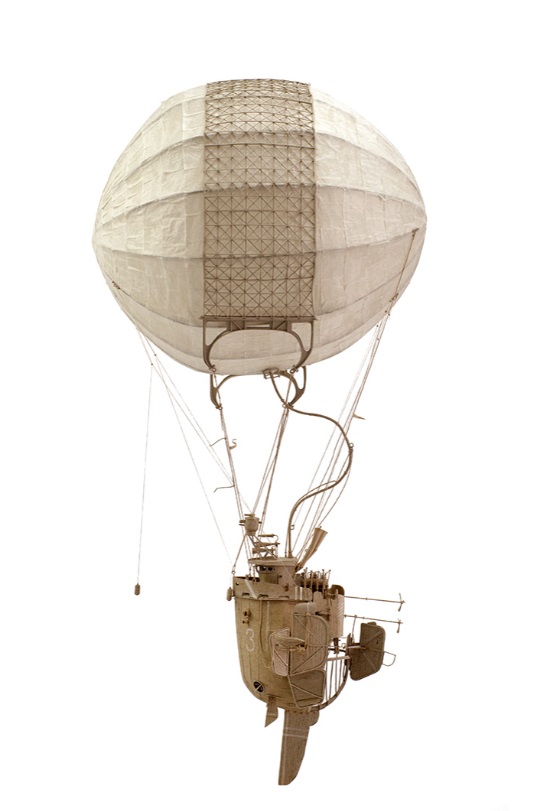
    The Southeasterly, 2019
    Cardboard, trace paper, mounted on timber base with hand-blown glass dome
    58.5 x 30.5 x 30.5cm
    Daniel Agdag
    The 2nd Tulip, 2019
    Cardboard, trace paper, mounted on timber base with hand- blown glass dome
    58.5 x 30.5 x 30.5cm

    Using cardboard and trace paper, Agdag creates sculptures merging aeronautical and botanical forms—delicate machines that bridge science and fantasy. His precise yet lyrical structures reflect humanity’s desire for creation and discovery, turning paper into a vessel for imagination and thought.

    Agdag’s art operates through a “logic of craftsmanship,” where manual precision becomes an act of thinking. His use of cardboard as a mental extension reflects Richard Sennett’s idea that craft is not merely technical labor but a form of intellectual and emotional reflection. Working without blueprints, Agdag’s improvised constructions embody Deleuze’s concept of “form in becoming,” where order and chance coexist.

    For my own practice, his approach inspires me to see structure as a mode of thought. He reveals that fragility and precision can cohabit to produce poetic tension. By transforming paper—a material of impermanence—into architecture of stability, he reminds me that emotion and memory can emerge through the subtle gestures of making. This encourages me to treat the manual process as an extension of psychological movement, using repetition and attention to infuse rational forms with feeling—turning my miniature sculptures into spaces where thought and memory breathe together.

    #cardboard sculpture #kinetic imagination #architectural form #poetic engineering #structure and fragility #micro architecture #surreal mechanism

    Image credit & website:

    https://www.messums.org/product/the-2nd-tulip/

    https://www.noosaregionalgallery.com.au/exhibition/daniel-agdag-miscellaneous-assemblies/

    Written on: 12 October 2025

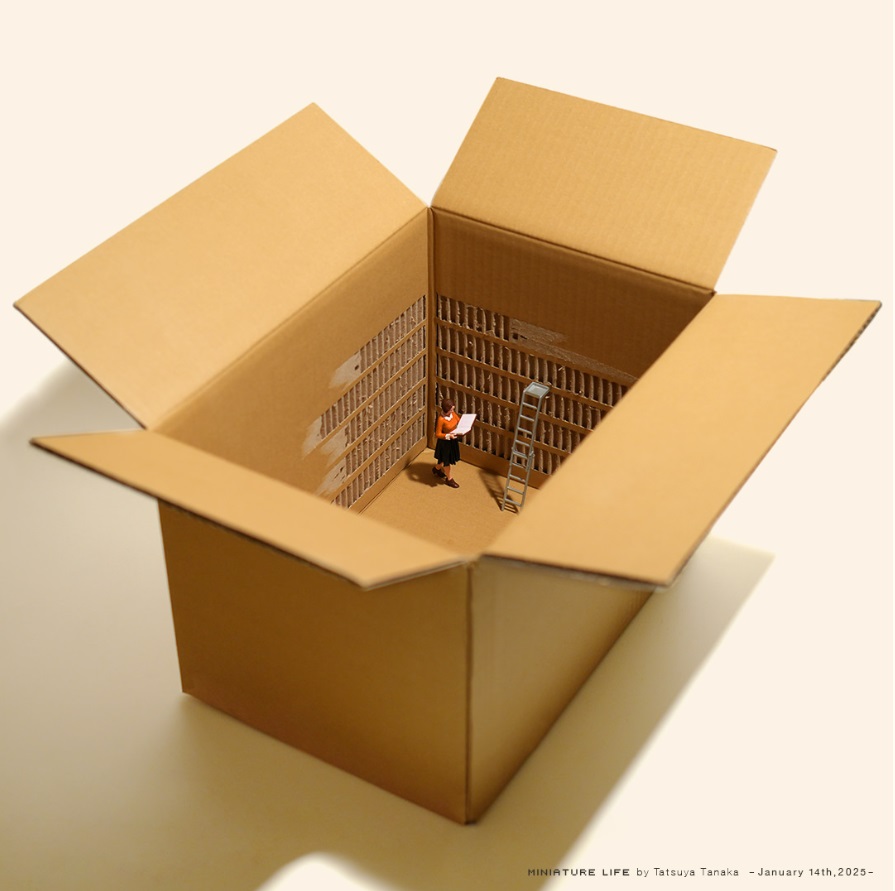
  • Tatsuya Tanaka (born 1981, Kumamoto, Japan) creates imaginative miniature worlds using everyday objects. Through his witty compositions and photography, he transforms the mundane into poetic microcosms—revealing wonder in the familiar and prompting viewers to rediscover beauty in ordinary life.

    Electricity (Kumamoto Ver.) 2021

    In Electricity (Kumamoto Ver.) and Knowledge Box, Tanaka transforms sockets, cables, and cardboard boxes into intimate worlds—a city of flowing energy and a tiny library of reborn knowledge. Through scale shifts and recontextualization, he reveals the poetic dimension of everyday life, turning the ordinary into art.

    Tanaka’s art is grounded in recontextualization and the poetics of scale. By miniaturizing and transforming everyday objects, he turns function into narrative, echoing Roland Barthes’s idea in Mythologies that daily objects embody cultural myths—reshaping them rewrites our shared language. Through photography, Tanaka converts material into meaning, constructing what Susan Stewart calls “miniature narratives,” where confined spaces hold boundless imagination.

    His material framework relies on ready-made objects, yet his manipulation of proportion and placement creates new perceptual layers. This methodology inspires me to consider scale as an emotional language in my own small-scale sculptures—when an object is reduced, its meaning expands. Tanaka reveals that poetic resonance arises not only from material transformation but from the act of re-seeing.

    In my practice, I aim to make sculpture an act of observation itself—placing the familiar into unfamiliar contexts to awaken new spatial and psychological awareness. Tanaka’s tiny worlds remind me that art’s greatest gesture may simply be to redefine how we see, transforming memory and imagination into quiet, infinite spaces.

    #miniature art #micro world #everyday objects #poetic transformation #recontextualization #visual metaphor #playful observation

    Image credit & website:

    https://miniature-calendar.com/

    https://www.instagram.com/tanaka_tatsuya/

    Written on: 5 October 2025

  • Yin Xiuzhen (born 1963, Beijing) creates installations addressing globalization, memory, and identity. Using worn clothes and everyday materials, she sews and reconstructs personal experience into social reflection—transforming softness and fabric into poetic symbols of time, belonging, and change.

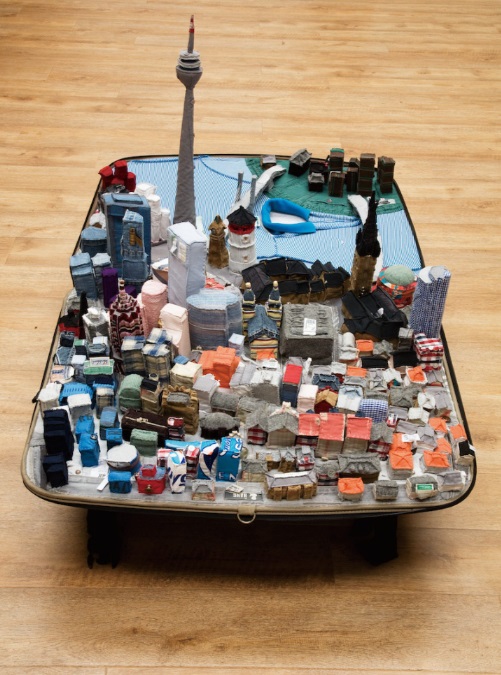
    In Portable City, Yin builds miniature cityscapes inside suitcases using discarded clothes. Each soft, tactile “city” becomes a portable home, reflecting displacement, migration, and cultural fluidity. The tender materials humanize urban form, embodying warmth and identity amid globalization’s transience.

    Yin Xiuzhen’s work positions material as a vessel of memory. By sewing with worn garments, she embeds traces of lived experience into fabric, aligning with Pierre Nora’s idea of lieux de mémoire—sites where memory resides when social continuity fades. Her methodology centers on sewing and layering, gestures of both femininity and repair, turning labor into ritual acts of restoration.

    Theoretically, her Portable City series intertwines the private and public, resonating with Julia Kristeva’s notion of abjection, where remnants of the body and culture are reabsorbed into aesthetic order. Softness becomes resistance; warmth becomes critique against the hardness of urban modernity.

    For my own practice, Yin Xiuzhen teaches that memory can emerge through touch and texture rather than monumentality. In my miniature sculptures, I explore how handmade processes and structural delicacy can evoke emotional resonance—transforming material into an intimate architecture of remembrance and belonging.

    #memory and identity #soft sculpture #mobility and belonging #material and emotion #poetic space #urban metaphor #domesticity #handcraft and intimacy

    Image credit & website:

    https://www.ignant.com/2014/05/07/portable-cities-by-yin-xiuzhen/

    Written on: 28 September 2025

  • Ishida Tetsuya (1973–2005) was a Japanese contemporary artist known for surreal paintings merging human figures with machines and architecture. Through precise brushwork, he explored isolation, anxiety, and the loss of individuality in modern society—creating poetic yet unsettling allegories of existence.

    Tetsuya Ishida, “Search / Sosaku”, 2001, Acrylic on canvas, Collection of the Dai-ichi Life Insurance Company Limited.
    Tetsuya Ishida’s 1999 painting “Prisoner.” – Courtesy the artist/Gagosian

    In Search / Sosaku and Prisoner, Ishida fuses human bodies with trains and schools, symbolizing individuals consumed by social systems. The former depicts the tragedy of becoming a cog in society’s machinery, while the latter critiques institutional confinement. Both reveal modern alienation through dreamlike yet claustrophobic spaces.

    Ishida’s paintings center on the fusion of body and structure, exposing the psychological condition of individuals absorbed by systems. His material framework lies in the tension between the human and the man-made, rendered through meticulous brushwork and mechanical precision. This recalls Michel Foucault’s theories of disciplinary space—where the body is shaped and monitored by institutional power. By embedding figures within architecture, Ishida delivers a poetic critique of control and conformity.

    Methodologically, his precise perspective and silent compositions generate suffocating stillness—a “psychological architecture” that turns space into an extension of emotion. For my own sculptural practice, Ishida reminds me that structure can embody inner states rather than merely physical form.

    He inspires me to explore proportion, boundaries, and material as expressions of tension between humans and their environments. Like his figures swallowed by machinery, my miniature sculptures aim to become architectures of the psyche—spaces that speak of anxiety, isolation, and the slow reconstruction of self.

    #surrealism #psychological space #alienation #metaphor #body and system #anxiety

    Image credit & website:

    https://www.adfwebmagazine.jp/en/art/tetsuya-ishida-self-portrait-of-other-at-wrightwood-659/

    https://www.aol.com/cult-japanese-artist-eerie-paintings-020715777.html

    Written on: 21 September 2025
  • Mike Kelley (1954–2012) was a major American contemporary artist known for exploring memory, trauma, and social conditioning through sculpture, installation, and performance. Using toys and everyday objects, he exposed repressed cultural psychology while blurring boundaries between high art and popular culture with irony and wit.

    Mike Kelley, Kandor 16B, 2010 | © Mike Kelley Foundation for the Arts | VAGA at ARS, NY and DACS, London 2024 | image © Fredrik Nilsen
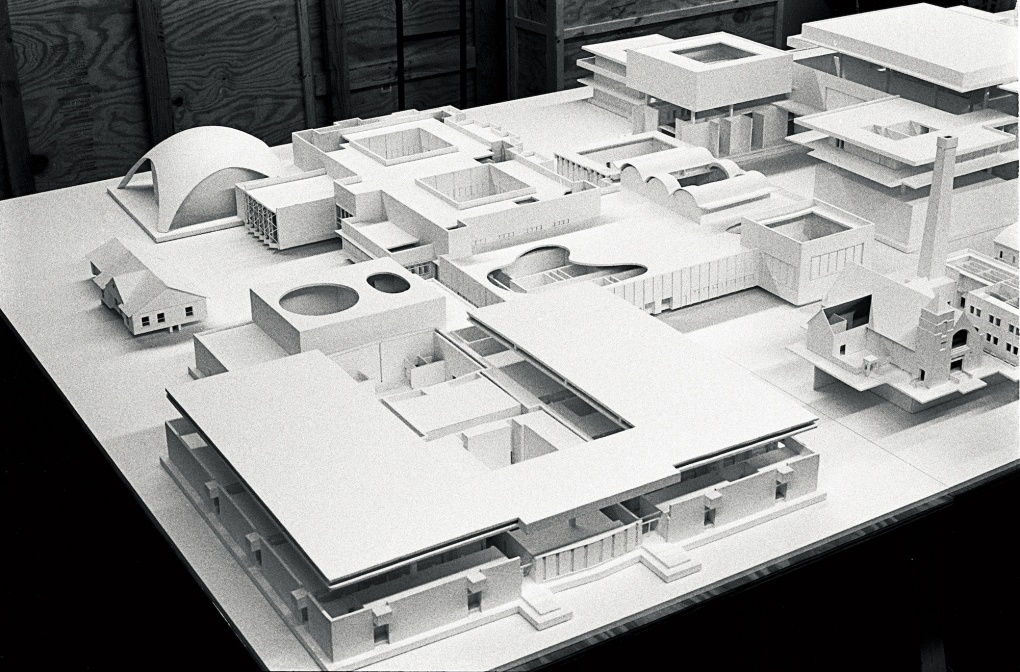
    Mike Kelley, Educational Complex (Detail), 1995, painted foam core, fiberglass, plywood, wood, plexiglass and mattress, 57 3/4 x 192 3/16 x 96 1/8 in. © 2022 Mike Kelley Foundation for the Arts. All Rights Reserved / Licensed by VAGA at Artists Rights Society (ARS), NY.

    Kandor 16B encases Superman’s fictional hometown in glowing glass, symbolizing nostalgia and loss. Educational Complex reconstructs the artist’s schools, leaving blank the forgotten spaces—turning absence into psychological voids. Both works confront the fractures of memory and institutional control.

    Mike Kelley’s art centers on the materialization of memory, rendering psychological space through architectural reconstruction and containment. His material framework—glass, plastic, and toys—embodies the collective unconscious, echoing Sigmund Freud’s notion that repression manifests through objects and symbols. Kelley’s methodology of reconstruction, categorization, and omission transforms absence into narrative, aligning with Hal Foster’s theory of the “return of the real,” where trauma re-emerges through material form.

    For my practice, Kelley inspires me to use sculptural structure as a vessel for memory and emotion. I’m drawn to how he converts mental maps into miniature architectures, allowing viewers to inhabit compressed inner worlds. This guides my own exploration of “space as mnemonic device”—using fragile materials and enclosed forms to express repression and intimacy. Kelley’s work reveals that art not only reconstructs memory but also exposes the contours of forgetting, turning sculpture into an archaeology of the inner self.

    #memory and trauma #psychological space #model and reconstruction #miniature architecture

    Image credit & website:

    https://www.designboom.com/art/ghosts-memory-superman-mike-kelley-radical-art-tate-modern-10-03-2024/

    https://eastofborneo.org/articles/the-fine-art-of-dropping-out/

    Written on: 14 September 2025

  • Ron Mueck (born 1958, Australia) is celebrated for his hyperrealistic sculptures of the human body. Using silicone, fiberglass, and resin, he captures intricate details of skin and emotion. By manipulating scale—enlarging or miniaturizing figures—he exposes the fragility, solitude, and existential gravity of human life.

    Boy (1999), Measuring 4.5 metres in height and weighing in at 500 kg. glass fibre

    Standing 4.5 meters tall, Boy (1999) depicts a crouching youth rendered in fiberglass. The exaggerated scale and tense posture create powerful psychological tension, merging strength with fragility. Through lifelike detail, Mueck invites reflection on fear, isolation, and the human condition.

    Ron Mueck’s work revolves around the psychology of scale and the body as an emotional vessel. His material framework—silicone and fiberglass—possesses tactile realism, allowing him to render fragility and life with uncanny precision. This hyperreal yet distorted proportionality echoes Jean Baudrillard’s theory of simulacra: when reality is perfectly replicated, perception enters a state of illusion. Drawing from his background in film effects, Mueck’s methodology merges cinematic construction with sculptural stillness, forcing viewers to confront their own physical and emotional realities.

    He transforms sculpture into a psychological space—where monumental silence amplifies human vulnerability. For my miniature practice, his work teaches me the inverse principle: to evoke monumental emotion within intimate scale. Through posture, texture, and light, I aim to generate tension and empathy even in the smallest forms. Mueck reveals that scale is not merely visual but psychological—a tool through which sculpture mirrors the weight of human emotion and the fragile architecture of being.

    #hyperrealism #large-scale sculpture #psychological space #scale and tension

    Image credit & website:

    https://www.aros.dk/en/art/the-collection/ron-mueck-boy-1999/

    Written on: 14 September 2025
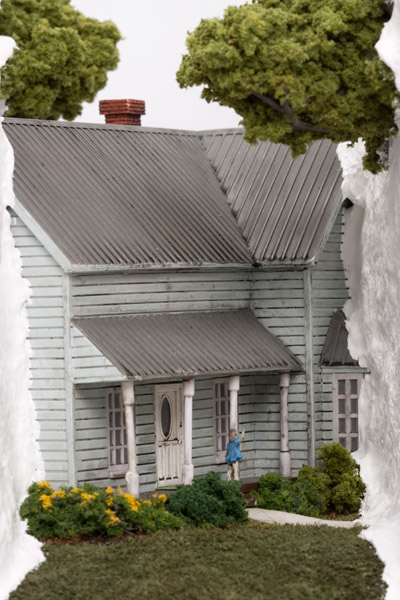
  • Jenny Saville (born 1970, UK) is known for her monumental depictions of the female body. Through dense brushwork and distorted forms, she challenges social ideals of beauty and representation, revealing the body as a site of vulnerability, desire, and defiance.

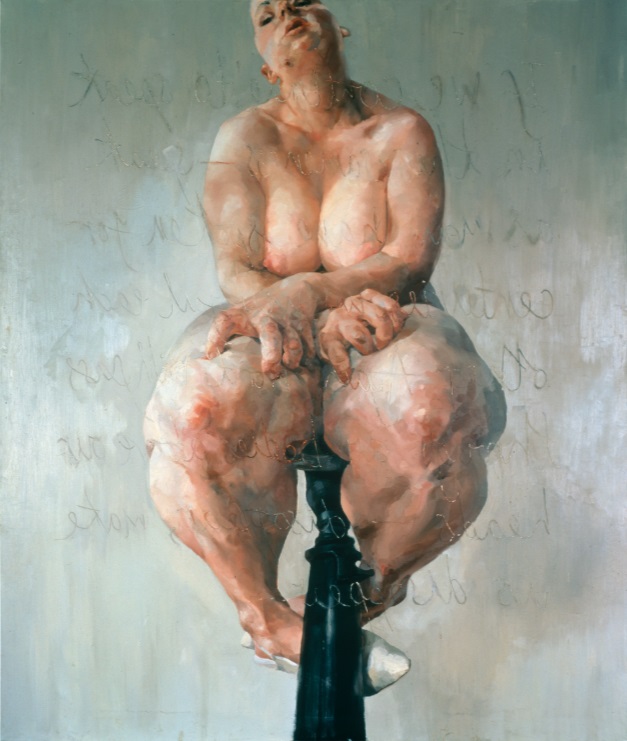
    Propped – Oil on Canvas, 84*72 inches (213.4*182.9 cm), 1992

    Propped (1992) portrays a nude woman seated before a mirror from a confrontational angle. Saville’s dense brushwork and fleshy tones heighten the tension of being seen. Inscribed with Luce Irigaray’s feminist text, the painting resists objectification, reclaiming the act of looking as empowerment.

    Saville’s work treats the body as text, layering oil paint to reconstruct sensory experience. Her material framework is rooted in the physicality of flesh—thick, fluid, tactile—turning the canvas into a skin-like surface. This aligns with Luce Irigaray’s feminist theory of embodiment, which frames the female body as fluid and multifaceted, resisting definition. Saville’s methodology merges expressionist force with anatomical precision, transforming the body into a site of psychic tension, echoing Julia Kristeva’s notion of abjection: confronting imperfection to expose suppressed emotion and desire.

    Rather than idealizing beauty, Saville destabilizes it—forcing viewers to question power and perception. For my sculptural practice, she teaches me that materiality can carry psychological weight. Texture, density, and imperfection can articulate emotion as powerfully as form. In my miniature sculptures, I seek to translate her visceral “flesh language” into spatial experience—crafting works that are not only seen but felt, turning fragility and distortion into gestures of truth and empathy.

    #feminist art #body and identity #representation of flesh #vulnerability and strength #body politics

    Image credit & website:

    https://gagosian.com/artists/jenny-saville/

    Written on: 7 September 2025
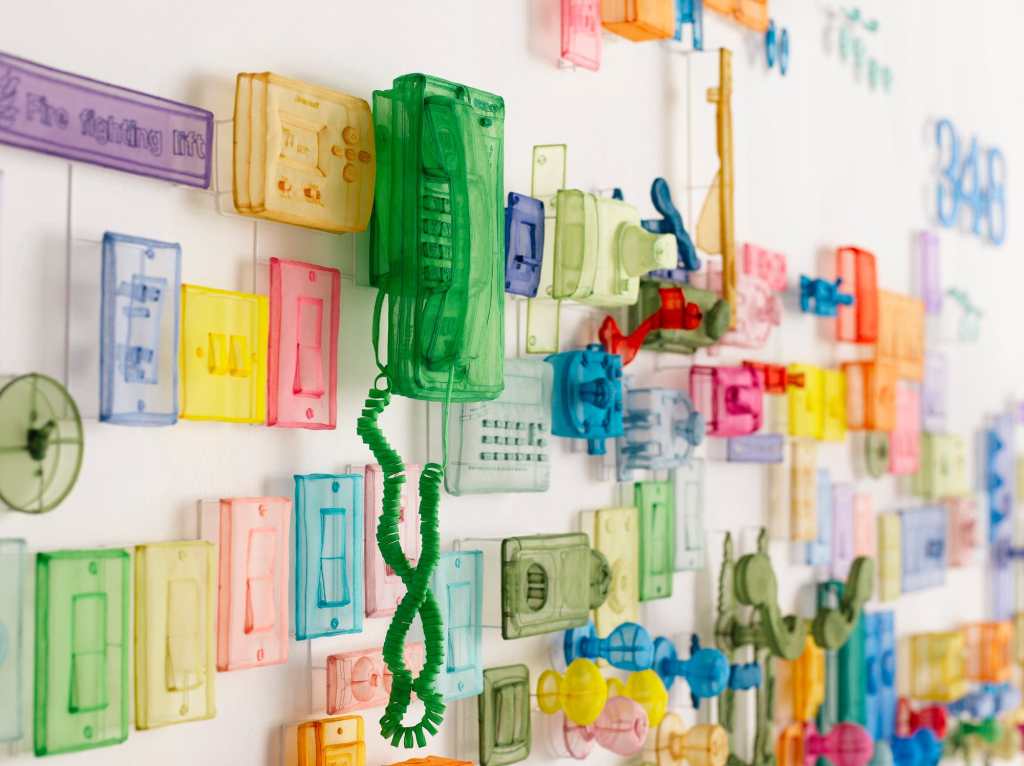
  • James Jean is a Taiwanese-American artist celebrated for his surreal synthesis of Eastern and Western aesthetics. Blending mythology, dreams, and cultural symbols, he crafts poetic visual worlds where emotion and subconscious intertwine between reality and fantasy.

    AIDES LAPIN – Digital, 9539*6000 pixels, 2016

    These works trace Jean’s evolving vision of desire, memory, and myth. AIDES LAPIN fuses human and rabbit forms to express primal instinct, MAZE evokes introspective time through childlike imagery, and DRAGON II merges Eastern and Western motifs, forming a lyrical narrative of dream and rebirth.

    James Jean’s art embodies the poetics of image and the narrative of the subconscious. His material framework relies on fluid layering and translucent color, using acrylics and oils to create dreamlike ambiguity. This materiality reflects Gilles Deleuze’s idea of becoming—the image as a dynamic field of transformation rather than a fixed representation. Jean’s methodology fuses literary storytelling, Eastern ink-inspired openness, and Western compositional tension, making time and emotion flow within detail.

    His works act as architectures of visual memory, merging mythic and contemporary sensibilities into a cross-cultural language of introspection. For my practice, Jean inspires me to treat material and form as emotional extensions—using texture, light, and layered structures to evoke memory’s blur and time’s passage.

    He teaches me that art can function as a “psychological space,” one that captures fleeting consciousness rather than depicting reality. In my miniature sculptures, I draw from his fluid compositional rhythm, building spaces that become theatres of inner emotion—where dream and reality gently converge.

    #surrealism #dream and reality #memory and imagination #mythology and symbolism #Eastern and Western fusion #detailed composition

    Image credit & website:

    https://www.jamesjean.com/

    https://www.instagram.com/jamesjeanart/

    Written on: 7 September 2025
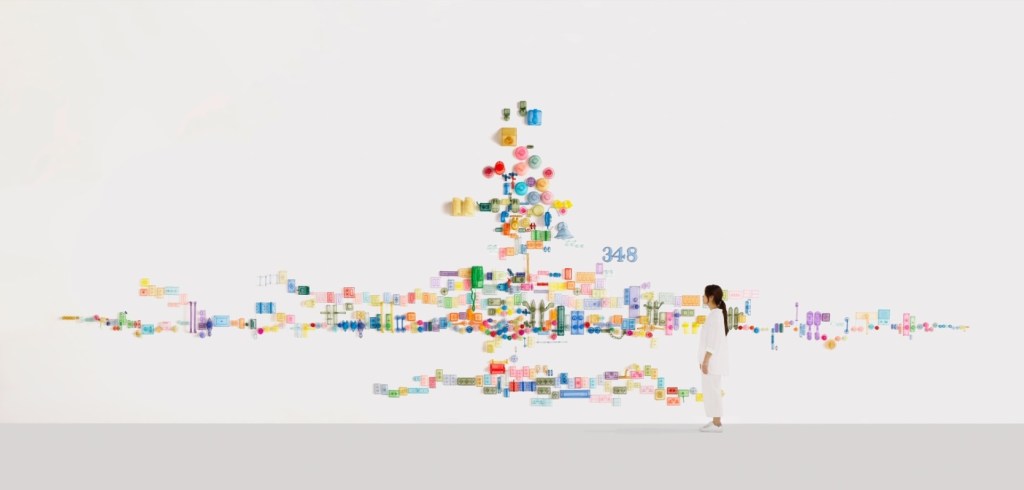
  • Yoshitoshi Kanemaki is a Japanese sculptor known for surreal wooden figures with multiple faces. Using the traditional ichiboku-zukuri technique, he carves from a single block of hinoki wood, merging realism and surrealism to explore fragmented identity, emotion, and the fluidity of being.

    TAYUTA Capris depicts a young girl whose head multiplies into shifting faces, symbolizing emotional fluctuation and fragmented identity. “Tayuta” means to sway—signifying psychological instability and temporal drift. The warmth of carved wood contrasts with unease, creating motion within stillness.

    Kanemaki’s art embodies “motion within stillness,” turning sculpture into a psychological organism. His material framework—hinoki wood carved using ichiboku-zukuri—captures the continuity of time and consciousness within a single block. The organic fibers and painted layers of the wood evoke both tactile realism and emotional resonance, aligning with Maurice Merleau-Ponty’s embodied perception, where the body mediates experience between material and mind.

    His methodology merges traditional craftsmanship with contemporary philosophy. Through repetition, division, and symmetry, Kanemaki visualizes multiplicity of self, echoing Gilles Deleuze’s theory of difference and repetition—difference as an active force of becoming. By manipulating the temporal nature of carving, he transforms static material into a vibration of consciousness.

    In my own miniature sculpture practice, Kanemaki inspires me to infuse material and form with psychological vitality. He shows that stillness can hold movement—that sculpture can embody emotion without literal motion. I aim to translate this into texture, rhythm, and spatial layering, creating subtle pulsations of time and feeling—where the viewer senses the trembling boundary between self, memory, and transformation.

    #surreal sculpture #psychological portrait #multiplicity of self #time and motion # inner tension

    Image credit & website:

    https://www.behance.net/gallery/44976649/-TAYUTACapris

    https://www.instagram.com/kanemaki_yoshitoshi/

    Written on: 31 August 2025

  • Jo Lane is an Australian contemporary artist whose minimalist sculptures explore psychological tension and emotional weight. Using materials such as hydrostone, PVC wire, and metal, she translates the quiet pressure of thought into tangible form, balancing fragility and resilience.

    LOAD 2025
    hydrostone and 1.6mm pvc covered wire, 35 x 23 x variable cm, (image by Matthew Stanton)

    LOAD (2025) combines hydrostone clusters with radiating PVC wires to visualize the burden of thought and emotion. The piece transforms psychological load into physical form—white masses suggesting memory and pressure, black filaments echoing mental overflow, held in delicate equilibrium.

    Jo Lane’s practice embodies a form of “material psychology,” using contrasts of texture and structure to reveal emotional form. Her material framework unites the solidity of hydrostone with the elasticity of PVC wire, creating tension and breath within stillness—echoing Rosalind Krauss’s “expanded field” of sculpture, where objects extend beyond physicality into psychological space. Her methodology relies on reduction and restraint, transforming minimal form into a meditative exploration of thought and existence.

    Her work also resonates with Gaston Bachelard’s Poetics of Space, where emotion inhabits and transforms material. In LOAD, the clustered and radiating forms visualize the “weight of thought,” bridging mind and matter through spatial rhythm and tension.

    For my own sculptural practice, Lane inspires me to explore the materiality of emotion—how feeling can be embedded within proportion, texture, and spatial relationships. She teaches that artistic power can arise not from monumentality but from quiet vibration. In my miniature works, I aim to let material contrast and compositional rhythm articulate the pulse of inner psychology, allowing stillness to speak with emotional resonance.

    #minimalism #psychological tension #spatial psychology #poetic structure #human condition

    Image credit & website:

    http://jolane.com/

    https://www.instagram.com/__jolane__/

    Written on: 31 August 2025

  • Stewart, Susan. 1993. On Longing: Narratives of the Miniature, the Gigantic, the Souvenir, the Collection. Durham, NC: Duke University Press.

    Susan Stewart’s On Longing is a foundational study on how objects and scale shape memory, desire, and identity. She examines the symbolic roles of the miniature, the gigantic, the souvenir, and the collection. The miniature contains vast worlds within small forms, evoking intimacy and childhood memory. The gigantic overwhelms the body, symbolizing power and authority. Souvenirs preserve fragments of personal history, turning absence into presence, while collections organize fragments into systems of remembrance and control.

    Stewart’s ideas are central to my research. Her reflections on the miniature directly connect to my small-scale sculptures, which hold memory in delicate, intimate forms. The notion of the souvenir informs my use of symbolic objects as carriers of family history and trauma—embodying both attachment and loss. Her insights on collections help me see how groups of small objects can build larger narratives of memory. By linking scale, material, and story, On Longing provides a rich framework for understanding sculpture as both a container and creator of memory—bridging personal intimacy with cultural history.

    #miniature #souvenir #intimacy #nostalgia #memory

    Image credit: https://www.dukeupress.edu/on-longing

    Written on: 24 August 2025

  • Chiharu Shiota (born 1972, Osaka, Japan) is a Japanese artist known for her immersive installations composed of threads, keys, suitcases, and clothing. Her woven networks symbolize the interconnection of memory and thought, exploring themes of life, absence, and existence. Blending performance and spatial construction, Shiota transforms emotion into tangible space—turning memory into a poetic, walkable experience.

    Chiharu Shiota, The Key in the Hand (2015)
    Chiharu Shiota, The Key in the Hand (2015)

    The Key in the Hand (2015), exhibited at the Japan Pavilion of the Venice Biennale, features two wooden boats suspended beneath 50,000 red keys entangled in a vast web of crimson threads. The red yarns evoke veins, memory, and connection, while the keys symbolize access to personal histories. Immersing viewers in a network of emotion and recollection, Shiota transforms individual memories into a shared, collective space of being.

    Chiharu Shiota’s The Key in the Hand builds an architecture of memory through threads and objects. Her material framework centers on red yarn, keys, and boats: threads as veins of thought and emotion, keys as portals to personal and collective pasts, and boats as vessels of passage and memory. Through symbolic transformation of everyday materials, Shiota creates an “emotional topology,” materializing the fluidity of remembrance.

    Methodologically, she employs a process of weaving and spatial networking, turning space into a living extension of feeling. This resonates with Gaston Bachelard’s The Poetics of Space, where the home embodies the soul, and with Maurice Merleau-Ponty’s phenomenology, in which perception and embodiment activate meaning. In Shiota’s installations, memory is not represented but inhabited—the viewer’s movement completes the emotional architecture.

    In my own practice, Shiota inspires me to treat material as emotional language. Her use of fine threads to evoke psychological weight guides my exploration of how miniature spaces can embody internal states. She shows that sculpture can be a web of thought—a structure that breathes, connects, and remembers. Through her methodology, I learn that art can hold memory not as an image, but as a lived spatial sensation.

    #Network of Memory #Installation Art #Materiality of Emotion #Threads and Time #Poetics of Existence

    Image credit and website:

    https://artjouer.wordpress.com/2015/10/27/the-key-in-the-hand-by-chiharu-shiota/

    Written on: 24 August 2025

  • Mona Hatoum (born 1952, Beirut) is a Lebanese-Palestinian artist whose installations, sculptures, and videos address displacement, conflict, and the politics of the body. Transforming domestic objects into unsettling forms, she exposes the fragility of human existence amid systems of power and control. Her minimalist yet charged works inhabit the threshold between poetry and danger.

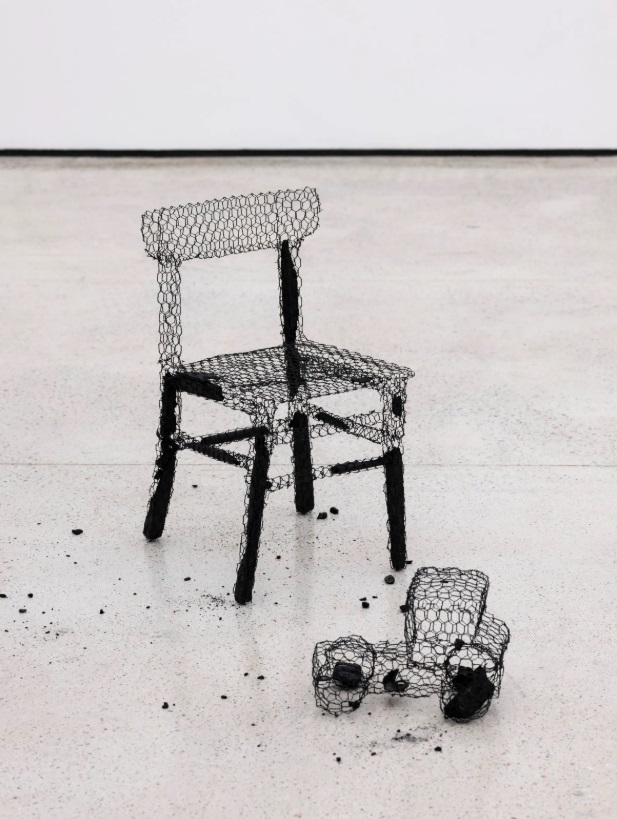
    Remains of the Day (2016–2018) presents a haunting reconstruction of domestic ruins—burnt furniture and wire mesh forming ghostly traces of a home. Chairs, tables, and objects appear fragile yet tense, suspended between disappearance and persistence. The work evokes the residue of memory after destruction, reflecting the silent aftermath of violence and loss.

    In Remains of the Day, Mona Hatoum reconstructs the architecture of disappearance through material tension. Her material framework—charred wood, wire mesh, and ash—embodies both fragility and resistance. Through a methodology of destruction and reconstruction, she transforms remnants into new states of existence, revealing how absence itself can occupy space.

    The work bridges psychoanalysis and existential philosophy: the ruins function as extensions of memory, echoing Gaston Bachelard’s Poetics of Space, where the home serves as a vessel for memory, now fractured and hollow. Simultaneously, Maurice Merleau-Ponty’s phenomenology of perception is reflected in the viewer’s embodied encounter—feeling instability, silence, and tension as a sensory presence.

    In my own sculptural practice, Hatoum inspires me to see fragility as strength. Her transformation of vulnerable materials into emotional architectures encourages me to use absence, gaps, and erosion as expressive strategies. I seek to create miniature spaces where loss and memory coexist—where the unfinished becomes poetic. Hatoum shows that sculpture’s truth lies not in restoration, but in the resonance of what remains.

    #Material Fragility #Memory and Ruins #Psychological Space #Poetics of Space #Destruction and Reconstruction

    Image credits and website:

    Remains of the Day, 2017, courtesy Mona Hatoum Studio https://www.whitecube.com/artworks/remains-of-the-day

    Written on: 17 August 2025

  • Louise Bourgeois (1911–2010) was a French-American sculptor known for exploring memory, trauma, and motherhood. Using materials such as fabric, metal, and glass, she transformed psychological experiences into physical forms. A pioneer of feminist and psychoanalytic sculpture, Bourgeois centered emotion as the language of creation.

    Louise Bourgeois, Cell (The Last Climb), 2008
    Steel, glass, rubber, thread and wood
    151 1/2 × 157 1/2 × 118 in | 384.8 × 400.1 × 299.7 cm
    Louise Bourgeois, Cell ( XXVI), 2003

    The Cells series (1989–2008) consists of enclosed chambers built from steel cages and found objects, each embodying an emotional state—fear, memory, solitude, or desire. By juxtaposing domestic materials with bodily fragments, Bourgeois transforms private memory into spatial experience, inviting viewers to step inside her inner architecture.

    Louise Bourgeois’s Cells transform architecture into emotion. Her material framework—steel cages, fabrics, mirrors, and domestic relics—turns ordinary matter into psychological architecture. The materials’ duality of softness and coldness mirrors emotional contradictions: tenderness and anxiety, intimacy and fear. Through assemblage, she reconstructs found objects into symbolic systems, embodying the psychoanalytic idea of repressed memory made visible.

    Her spatial logic echoes Gaston Bachelard’s Poetics of Space, where rooms and corners become metaphors for the soul. Bourgeois materializes these metaphors, turning sculpture into a dwelling of memory and feeling. Her practice also aligns with Julia Kristeva’s theory of melancholia—the transformation of trauma into form as a way of emotional regeneration.

    In my own sculptural practice, Bourgeois inspires me to treat space as a psychological field. She teaches that emotion can be structural and memory can be material. In my miniature sculptures, I aim to evoke similar emotional resonance—through contrasts of openness and containment, transparency and solidity—creating intimate spaces that embody the tension between inner self and outer world. Bourgeois reminds me that sculpture can house not just form, but the architecture of feeling.

    #Psychological Space #Memory and Trauma #Feminist Art #Architecture of Emotion #Poetics of Space #Assemblage Art #Materiality of Emotion #Sculpture and Psychoanalysis

    Image credits and wbsite:

    https://www.artsy.net/artwork/louise-bourgeois-cell-the-last-climb

    https://www.wallpaper.com/art/louise-bourgeois-cells-at-the-bilbao-guggenheim

    Written on: 17 August 2025

  • Rachel Whiteread (b. 1963, UK) is a leading contemporary sculptor renowned for her casts of negative spaces. Using materials such as plaster, resin, and concrete, she transforms the invisible interiors of domestic objects and architecture into tangible forms, exploring absence, memory, and the traces of human presence.

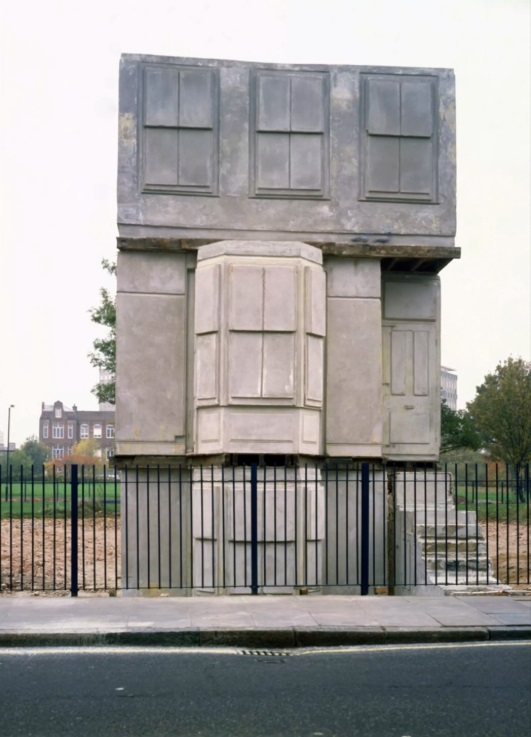
    Rachel Whiteread, House, at 193 Grove Road, London E3, 1993.  © Rachel Whiteread. Photo by Sue Omerod. Courtesy of the artist and Gagosian. 

    House (1993) was a life-sized cast of an entire East London house, solidified in concrete. By turning the interior void into a monumental solid, Whiteread transformed domestic memory into a public monument, making absence itself the subject of contemplation.

    Rachel Whiteread’s House is one of the most powerful meditations on the memory of space. Her material framework relies on casting and inversion—using hard concrete to preserve the soft, transient traces of habitation. Through this methodology of “presence through absence,” the work materializes memory itself, resonating with Maurice Merleau-Ponty’s phenomenology of space, where space is not merely occupied but felt.

    Whiteread constructs psychological landscapes through sculpture, aligning with Rosalind Krauss’s concept of sculpture in the expanded field—where form intersects with architecture, concept, and memory. By reversing space into solid matter, she compels viewers to confront time and loss both physically and emotionally.

    For my own practice, Whiteread inspires me to see that space can be sculpted—that memory and emotion can inhabit voids as meaningfully as solid form. Her approach encourages me to treat material not just as structure but as a vessel of remembrance. In my miniature sculptures, I seek to explore this interplay between inside and outside, presence and absence—crafting spaces that hold both physical stillness and emotional resonance, like silent echoes of lived experience.

    #Negative Space Sculpture #Materiality of Memory #Phenomenology of Space #Absence and Presence

    Image credit and wbsite:

    https://www.artsy.net/article/artsy-editorial-rachel-whitereads-house-unlivable-controversial-unforgettable

    Written on: 10 August 2025

  • Thomas Doyle’s Cleave is a small mixed-media sculpture enclosed within a circular glass dome. Inside this fragile sphere, fragments of houses and familiar objects appear broken and reassembled, as if memory itself has been split apart. The dome functions like a frozen lens—preserving a moment of rupture while keeping it distant and untouchable. Its textures and fragments evoke both delicacy and quiet tension, creating a poetic atmosphere that feels intimate yet unsettled.

    This piece closely relates to my research on memory, trauma, and miniature sculpture. The glass dome becomes a vessel of remembrance, where domestic fragments symbolize loss and survival. Its small scale reflects my interest in intimate forms that carry emotional depth. The sealed structure makes viewers feel simultaneously close and distant, mirroring how traumatic memories can be recalled yet remain unreachable. Doyle’s approach inspires me to explore how fractured, enclosed architectures can act as metaphors for disrupted family histories. Cleave reveals how miniature, poetic spaces can hold both presence and absence—inviting viewers to witness memory as something fragile yet enduring.

    #miniature #memory #trauma #poetics #containment

    Image credit:

    Doyle, Thomas. 2012. Cleave. Mixed media, 16 × 14 inches (diameter). Distillation series. https://www.thomasdoyle.net/distillation/cleave/

    Written on: 3 August 2025

  • Do Ho Suh (born 1962, Seoul) is a contemporary artist whose practice centers on the concepts of home, identity, and migration. He reconstructs his lived spaces in translucent fabric, translating architecture into memory. Through delicate, portable structures, Suh transforms the notion of “home” into an emotional landscape shaped by movement, belonging, and time.

    Detail of “Jet Lag” (2022). Photo by Jeon Taeg Su. All images © Do Ho Suh, courtesy of the artist and Lehmann Maupin, New York, Hong Kong, Seoul, and London.
    DO HO SUH, Jet Lag, 2022
    Polyester fabric, stainless steel
    130 5/8 x 412 5/8 x 1 1/8 inches, 331.8 x 1048.1 x 2.9 cm
    © Do Ho Suh

    Jet Lag (2022) is a large-scale installation composed of over 400 translucent polyester and stainless-steel replicas of everyday objects—such as doorknobs, light switches, and cupboard handles—collected from Suh’s various homes across Seoul, New York, and London. Arranged like a musical score on the wall, these vivid “memory specimens” collapse geography and chronology into one continuous experience. Through the metaphor of jet lag, the work explores spatial disorientation, emotional continuity, and the accumulation of lived memory carried within the idea of “home.”

    In Jet Lag, Do Ho Suh constructs a “portable architecture of memory” through his material framework of translucent polyester fabric and stainless steel. Industrial materials are reimagined as emotional vessels, where household objects become fragments of experience stitched into a non-linear visual score. The installation embodies the tension between lightness and permanence, visibility and absence—transforming domestic familiarity into a suspended, meditative state of being.

    Methodologically, Suh works through reconstruction and archiving, translating everyday objects into transparent specimens that chart a psycho-geography of belonging. His approach resonates with Gaston Bachelard’s Poetics of Space, where the home is a container of memory, and aligns with Deleuze and Guattari’s notion of “smooth space,” where identity and memory flow beyond geography. The viewer, encountering these delicate forms, experiences both intimacy and estrangement—an echo of diasporic consciousness.

    For my own sculptural practice, Jet Lag prompts me to rethink how material transparency and fragility can hold emotional density. I explore ways to translate “psychological space” into tactile form, using material contrast and spatial rhythm as emotional language. Like Suh, I aim to create works that bridge structure and memory—objects that are not merely seen, but felt, carrying the invisible traces of time and presence within their form.

    #Home And Displacement #Memory And Space #Translucent Material #Poetics Of Space #Identity And Belonging #Objects And Memory

    Image credits and website:

    https://www.lehmannmaupin.com/artists/do-ho-suh

      Written on: 3 August 2025

    1. Gaston Bachelard’s The Poetics of Space is a key phenomenological study on how intimate spaces—houses, rooms, corners, drawers, and nests—shape memory and imagination. Rather than viewing architecture as function, Bachelard explores how people inhabit space and how childhood memories dwell within it. For him, the house is not just shelter but a vessel for dreams, solitude, and recollection. Through poetic writing, he shows how small things like shells or tiny objects can contain vast inner worlds, linking the material to the symbolic.

      This book deeply relates to my research on memory, childhood, and small-scale sculpture. Bachelard’s vision suggests that sculpture can act as an “intimate architecture,” where scale and material evoke hidden or repressed memories. His concept of “intimate immensity” reveals how miniature forms can open expansive emotional spaces. From a feminist lens, the domestic settings he describes can also be seen as gendered environments—places where women’s histories persist yet remain overlooked. The book helps me understand how memory and space intertwine, offering a poetic foundation for thinking about sculpture as a vessel of memory and trauma.

      #phenomenology #memory #architecture #intimacy #poeticspace

      Written on: 27 July 2025